Andrew Winchester’s Fatherly Bond with Cecelia and the Fear He Instills
The HousemaidAndrew Winchester’s bond with Cecelia is defined by a sharp divide between fatherly appearance and coercive control. He supports her financially and occupies a father’s place in the family, but his punishments of Nina make Cecelia’s ordinary choices feel dangerous. By the time he is gone, Cecelia is relieved rather than eager to ask what happened to the man she called Dad.
Father Figure and Household Authority
For seven years, Andrew is Nina’s husband and a father figure to Cecelia. Nina describes him as financially supportive, even-tempered, and agreeable, someone who seemed almost perfect from the outside. That apparent steadiness helps conceal how thoroughly his authority shapes family life: Cecelia learns that what she does can determine whether her mother is taken away for days.
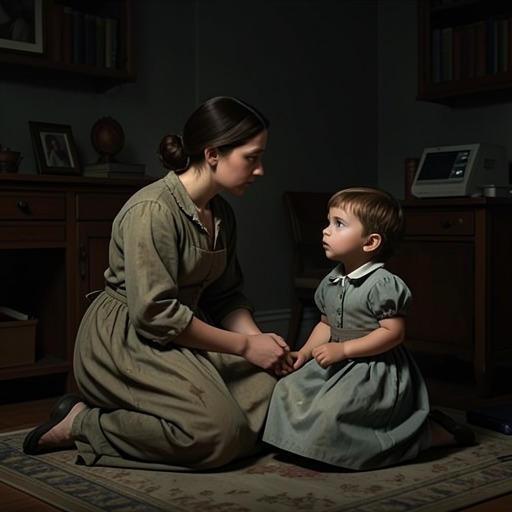
Andrew’s influence reaches Cecelia even when Nina is the person he punishes. He buys her a wardrobe of itchy, frilly dresses that she dislikes and that invite mockery from other children. Cecelia nevertheless wears them and tries not to soil them, because she understands that refusing or getting them dirty can result in Nina disappearing into the attic. The clothing becomes more than an unpleasant demand; it is a rule enforced through fear for her mother.
Threats and Indirect Punishment
Andrew makes Nina responsible for the consequences of Cecelia’s behavior, turning their mother-daughter attachment into leverage. Nina says she accepts the attic punishments if they spare her daughter, while fearing that Andrew may eventually begin punishing Cecelia directly. Cecelia, in turn, becomes careful to be perfect around him because she knows that her actions can bring suffering to Nina.
The threat is not only indirect. Nina says Andrew has already almost drowned Cecelia. He also keeps peanut butter in the pantry despite knowing that Cecelia is allergic, even after Nina repeatedly throws it away. The allergy causes welts rather than a life-threatening reaction, but Andrew sometimes slips a little peanut butter into Cecelia’s dinner so that the rash appears afterward. The gesture makes the danger deliberate: he uses a known vulnerability to demonstrate his control and to frighten Nina through their child.
Cecelia’s Response and the Relationship’s End
Nina reports that, as far as she knows, Andrew never left a suspicious bruise on Cecelia, and she watched closely for signs that he had harmed her. That absence does not make the relationship safe. Cecelia knows that her mistakes can lead to her mother’s punishment, and she lives under the pressure of keeping herself beyond reproach. Once Andrew is no longer present, Nina observes that Cecelia can be difficult and distrustful of adults other than her mother; she connects this guardedness and later rebound in behavior to the perfection demanded of her in his presence, while insisting that Cecelia has a good heart.
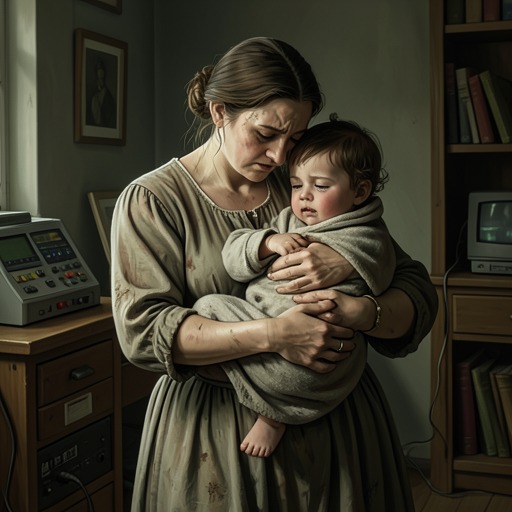
After Andrew is gone, Cecelia asks what will happen to her father. Nina tells her he is not coming, and the relief on Cecelia’s face mirrors her own. At the hotel, Cecelia still does not understand what happened to the man she called her father and does not ask. She is simply relieved that he is gone, a response that reveals how fear, rather than uncomplicated affection, has come to define the bond. Nina and Cecelia share a bed there, close together while Nina prepares to sell the house they shared with Andrew; the family’s outward fatherly arrangement has ended, but its effects remain in Cecelia’s need for safety and closeness to her mother.
Significance
Andrew’s relationship with Cecelia shows how coercive control can operate through a child without relying on constant direct physical violence. He makes Nina’s confinement contingent on Cecelia’s conduct, exploits the child’s allergy, and uses the possibility of harm to keep both mother and daughter within his authority. Cecelia’s relief at his absence is therefore not a simple rejection of a father figure: it marks the collapse of a household role whose apparent care had been inseparable from fear.